Category: Business

  • Operational Cost Reduction: A Complete Guide to Boost Business Efficiency

    Operational Cost Reduction: A Complete Guide to Boost Business Efficiency

    Introduction to Operational Cost Reduction

    Operational Cost Reduction is a strategic approach that businesses adopt to minimize expenses while maintaining or improving productivity and quality. In today’s highly competitive business landscape, organizations such as Amazon and Toyota have successfully implemented cost optimization strategies to maintain profitability and scalability. By focusing on efficiency, process improvement, and smart resource allocation, companies can achieve sustainable growth without compromising customer satisfaction.

    Operational costs include expenses related to daily business operations such as labor, utilities, inventory, and logistics. Reducing these costs requires a careful balance between cutting unnecessary expenses and investing in high-impact areas.

    Importance of Operational Cost Reduction

    Reducing operational costs is not just about saving money; it is about enhancing overall business performance. Companies like Walmart have demonstrated how cost leadership can create a competitive advantage in the market. Lower operational costs enable businesses to offer competitive pricing, improve profit margins, and reinvest in innovation.

    Cost reduction also helps organizations become more resilient during economic downturns. For example, during global disruptions like the COVID-19 pandemic, companies that had lean operations were better equipped to adapt and survive.

    Key Areas for Operational Cost Reduction

    Process Optimization

    Process optimization involves analyzing workflows to eliminate inefficiencies. The concept of Lean Manufacturing, pioneered by Toyota, focuses on reducing waste while maximizing value. Businesses can streamline operations by identifying redundant steps, automating repetitive tasks, and improving coordination between departments.

    Supply Chain Management

    Efficient supply chain management plays a critical role in cost reduction. Companies like Apple Inc. optimize their supply chains by building strong relationships with suppliers and leveraging global sourcing strategies. Reducing transportation costs, minimizing inventory holding, and improving demand forecasting can significantly lower operational expenses.

    Workforce Efficiency

    Labor costs are often one of the largest operational expenses. Organizations can improve workforce efficiency through training, performance management, and flexible work arrangements. The adoption of remote work, popularized by companies like Twitter, has helped reduce overhead costs such as office space and utilities.

    Technology Integration

    Technology plays a vital role in operational cost reduction. Tools such as SAP ERP and Oracle NetSuite enable businesses to automate processes, track expenses, and make data-driven decisions. Automation reduces human error and improves efficiency, leading to long-term cost savings.

    Energy and Resource Management

    Reducing energy consumption is another effective way to lower operational costs. Companies like Google invest in renewable energy and energy-efficient infrastructure to minimize expenses. Implementing energy-saving practices and using sustainable resources can lead to significant cost reductions over time.

    Strategies for Effective Operational Cost Reduction

    Implementing Lean Principles

    The philosophy of Lean Management emphasizes continuous improvement and waste elimination. By adopting lean principles, businesses can identify inefficiencies and optimize processes to reduce costs without affecting quality.

    Outsourcing Non-Core Activities

    Outsourcing allows businesses to focus on their core competencies while reducing operational costs. Companies often outsource functions such as customer support, IT services, and accounting to specialized providers. For instance, IBM offers outsourcing solutions that help organizations streamline operations and reduce expenses.

    Digital Transformation

    Digital transformation is a powerful driver of cost reduction. The use of technologies like Microsoft Azure and Amazon Web Services enables businesses to scale operations without heavy infrastructure investments. Cloud computing reduces hardware costs and provides flexibility in resource allocation.

    Vendor Negotiation

    Negotiating better terms with suppliers can lead to significant cost savings. Businesses can leverage long-term contracts, bulk purchasing, and competitive bidding to reduce procurement costs. Companies like Procter & Gamble are known for their strong supplier relationships and cost optimization strategies.

    Inventory Management

    Effective inventory management helps reduce holding costs and prevent overstocking. Techniques such as Just-In-Time inventory, popularized by Toyota, ensure that materials are available only when needed, minimizing storage costs and waste.

    Role of Data Analytics in Cost Reduction

    Data analytics enables businesses to identify cost-saving opportunities and make informed decisions. Tools like Tableau and Power BI provide insights into spending patterns, operational inefficiencies, and performance metrics.

    By analyzing data, organizations can pinpoint areas where costs can be reduced without affecting productivity. Predictive analytics also helps in forecasting demand, optimizing inventory, and improving resource allocation.

    Challenges in Operational Cost Reduction

    While cost reduction offers numerous benefits, it also comes with challenges. One of the primary risks is compromising quality in the pursuit of lower costs. Companies must ensure that cost-cutting measures do not negatively impact customer experience.

    Another challenge is employee resistance to change. Implementing new processes or technologies can be met with resistance from staff. Effective change management and communication are essential to overcome these challenges.

    Additionally, short-term cost-cutting measures may not always lead to long-term savings. Businesses need to adopt a strategic approach that focuses on sustainable cost reduction rather than quick fixes.

    Best Practices for Sustainable Cost Reduction

    Continuous Improvement

    Operational cost reduction is an ongoing process. Businesses should adopt a culture of continuous improvement, similar to the Kaizen approach used by Toyota. Regularly reviewing processes and identifying improvement opportunities ensures long-term efficiency.

    Employee Engagement

    Engaging employees in cost reduction initiatives can lead to innovative ideas and increased efficiency. Encouraging staff to suggest improvements and rewarding cost-saving initiatives fosters a culture of accountability.

    Benchmarking

    Benchmarking against industry leaders such as General Electric helps businesses identify best practices and areas for improvement. Comparing performance metrics with competitors provides valuable insights into cost optimization strategies.

    Investing in Innovation

    While reducing costs is important, businesses should also invest in innovation. Companies like Tesla demonstrate how innovation can lead to long-term cost savings through improved efficiency and advanced technology.

    Future Trends in Operational Cost Reduction

    The future of operational cost reduction is closely tied to technological advancements. Emerging technologies such as Artificial Intelligence and Machine Learning are transforming how businesses manage costs. Companies like OpenAI are leading the way in developing AI solutions that automate processes and improve decision-making.

    Automation, robotics, and the Internet of Things (IoT) are also expected to play a significant role in cost reduction. These technologies enable real-time monitoring, predictive maintenance, and efficient resource utilization.

    Sustainability is another key trend. Businesses are increasingly focusing on eco-friendly practices to reduce costs and meet regulatory requirements. Companies like Unilever are integrating sustainability into their operations to achieve both cost savings and environmental benefits.

    Conclusion

    Operational Cost Reduction is a critical component of business success in today’s competitive environment. By optimizing processes, leveraging technology, and adopting strategic approaches, organizations can significantly reduce expenses while maintaining quality and efficiency.

    From industry leaders like Amazon to innovative companies like Tesla, successful businesses understand the importance of balancing cost reduction with value creation. By implementing best practices and embracing continuous improvement, companies can achieve sustainable growth and long-term profitability.

    Businesses that prioritize Operational Cost Reduction not only enhance their financial performance but also position themselves for future success in an ever-evolving market landscape.

  • Brand Differentiation Tactics: A Complete Guide to Standing Out in Competitive Markets

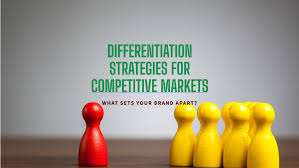
    Brand Differentiation Tactics: A Complete Guide to Standing Out in Competitive Markets

    In today’s saturated business environment, brand differentiation has become a critical factor for long-term success. With countless companies offering similar products and services, businesses must go beyond basic marketing and develop unique strategies that set them apart. Whether you are competing with global giants like Apple Inc. and Nike or emerging startups, implementing effective brand differentiation tactics can significantly impact customer perception, loyalty, and revenue.

    This guide explores actionable and SEO-friendly brand differentiation tactics that businesses can apply to build a distinct identity and outperform competitors.

    Understanding Brand Differentiation

    Brand differentiation refers to the process of distinguishing a company’s offerings from those of competitors by emphasizing unique features, values, and experiences. It involves shaping how customers perceive your brand in comparison to others in the market.

    For example, Tesla, Inc. differentiates itself not just as an automotive company but as a leader in innovation and sustainability. Similarly, Coca-Cola focuses on emotional branding and global recognition rather than just selling beverages.

    Why Brand Differentiation Matters

    In competitive industries, differentiation is not optional—it is essential. Businesses that fail to differentiate often compete solely on price, which reduces profit margins and long-term sustainability.

    Key benefits include increased brand loyalty, higher perceived value, reduced price sensitivity, and stronger market positioning. Companies like Amazon have successfully used differentiation through customer convenience and innovation, creating a competitive edge that is difficult to replicate.

    Core Brand Differentiation Tactics

    1. Unique Value Proposition (UVP)

    A strong unique value proposition clearly communicates why customers should choose your brand over competitors. It should highlight specific benefits that address customer pain points.

    For instance, Spotify differentiates itself through personalized music recommendations powered by data analytics, while Netflix focuses on exclusive content and user-friendly streaming experiences.

    To develop an effective UVP, businesses must analyze customer needs, competitor offerings, and internal strengths. The goal is to present a compelling reason for customers to engage with your brand.

    2. Brand Storytelling

    Storytelling is a powerful way to connect emotionally with your audience. Instead of just promoting products, brands should communicate their mission, vision, and journey.

    Companies like Airbnb have mastered storytelling by focusing on community, belonging, and unique travel experiences. This approach resonates deeply with customers and creates a memorable brand identity.

    Effective storytelling includes authenticity, consistency, and relatability. It should reflect your brand’s core values and differentiate it from competitors.

    3. Customer Experience Optimization

    Customer experience is one of the most impactful brand differentiation tactics. Businesses that provide exceptional experiences stand out even in crowded markets.

    Zappos is widely recognized for its outstanding customer service, which has become its primary differentiator. Similarly, Apple Inc. focuses on seamless user experiences across all touchpoints, from product design to retail stores.

    Improving customer experience involves optimizing website usability, providing responsive support, and ensuring a smooth customer journey from awareness to post-purchase engagement.

    4. Product Innovation

    Innovation plays a crucial role in differentiating a brand. Companies that continuously improve their offerings stay ahead of competitors and attract loyal customers.

    Samsung Electronics consistently introduces new technologies in its products, while Dyson revolutionized household appliances with cutting-edge designs and engineering.

    Businesses should invest in research and development, gather customer feedback, and monitor industry trends to drive innovation.

    5. Pricing Strategy Differentiation

    Pricing can also serve as a differentiation tactic. Brands may position themselves as premium, affordable, or value-driven depending on their target audience.

    Luxury brands like Rolex use high pricing to reinforce exclusivity, while companies like Walmart differentiate through cost leadership and affordability.

    Choosing the right pricing strategy requires understanding customer expectations and competitive dynamics.

    6. Visual Identity and Branding

    A strong visual identity helps brands become instantly recognizable. This includes logos, color schemes, typography, and design elements.

    McDonald’s golden arches and Nike swoosh are iconic examples of effective visual branding. These elements create familiarity and trust among consumers.

    Consistency across all marketing channels is essential to reinforce brand identity and recognition.

    7. Niche Market Targeting

    Targeting a specific niche allows brands to differentiate by catering to a well-defined audience segment.

    For example, Lululemon Athletica focuses on premium athletic wear for yoga enthusiasts, while Patagonia targets environmentally conscious consumers.

    Niche marketing enables businesses to tailor their messaging, products, and services to meet specific customer needs, resulting in stronger engagement and loyalty.

    8. Digital Presence and Content Marketing

    A strong digital presence is essential for modern brand differentiation. Businesses must leverage content marketing, SEO, and social media to establish authority and visibility.

    Companies like HubSpot have built their brand through educational content and inbound marketing strategies. Similarly, Red Bull differentiates itself through content related to extreme sports and lifestyle.

    Creating valuable, relevant, and consistent content helps brands attract and retain customers while improving search engine rankings.

    9. Personalization and Data-Driven Marketing

    Personalization is becoming a key differentiator in the digital age. Customers expect tailored experiences based on their preferences and behavior.

    Amazon excels in personalization by recommending products based on browsing history and purchase patterns. Netflix also uses data to suggest content that aligns with user interests.

    Businesses should leverage analytics tools, customer data, and AI technologies to deliver personalized experiences that enhance customer satisfaction.

    10. Corporate Social Responsibility (CSR)

    Modern consumers increasingly value brands that demonstrate social and environmental responsibility.

    Unilever and The Body Shop have successfully differentiated themselves through sustainability initiatives and ethical practices.

    CSR efforts can include environmental sustainability, community engagement, and ethical sourcing. These initiatives not only improve brand image but also build trust and loyalty among customers.

    Building a Sustainable Differentiation Strategy

    Effective brand differentiation is not a one-time effort but an ongoing process. Businesses must continuously adapt to changing market conditions, customer preferences, and technological advancements.

    A sustainable differentiation strategy includes regular market analysis, competitor benchmarking, and innovation. Companies like Google continuously evolve their offerings to maintain their competitive edge in the tech industry.

    Consistency is also critical. All brand elements—from messaging to customer experience—must align with the differentiation strategy to create a cohesive identity.

    Common Mistakes to Avoid

    While implementing brand differentiation tactics, businesses should avoid common pitfalls such as lack of clarity, inconsistency, and overpromising.

    Some brands attempt to differentiate in too many ways, which can confuse customers and dilute their identity. Others fail to deliver on their promises, leading to a loss of trust.

    To avoid these mistakes, businesses should focus on a clear strategy, maintain consistency, and prioritize customer satisfaction.

    Measuring the Success of Brand Differentiation

    Tracking the effectiveness of differentiation strategies is essential for continuous improvement. Key performance indicators (KPIs) include brand awareness, customer loyalty, conversion rates, and market share.

    Tools like analytics platforms, customer surveys, and social media insights can provide valuable data for evaluating performance.

    Companies such as Facebook and Google utilize advanced analytics to monitor user behavior and optimize their strategies.

    Future Trends in Brand Differentiation

    As technology evolves, brand differentiation will continue to transform. Emerging trends include artificial intelligence, augmented reality, and immersive customer experiences.

    Brands that embrace innovation and stay ahead of trends will have a competitive advantage. For instance, Meta Platforms, Inc. is exploring the metaverse as a new way to engage users and differentiate its offerings.

    Additionally, authenticity and transparency will remain key factors in building trust and loyalty.

    Conclusion

    Brand differentiation is a powerful strategy that enables businesses to stand out in competitive markets and build lasting relationships with customers. By focusing on unique value propositions, customer experience, innovation, and storytelling, companies can create a distinct identity that resonates with their target audience.

    From industry leaders like Apple Inc. and Nike to emerging startups, successful brands understand the importance of differentiation in achieving sustainable growth. By implementing the tactics outlined in this guide, businesses can strengthen their market position, enhance customer loyalty, and drive long-term success.

  • Business Growth Forecasting: A Complete Guide to Predicting and Scaling Success

    Business Growth Forecasting: A Complete Guide to Predicting and Scaling Success

    Introduction to Business Growth Forecasting

    Business growth forecasting is a strategic process that enables organizations to predict future performance using historical data, market trends, and analytical models. In an increasingly competitive global economy, companies rely on forecasting to make informed decisions, allocate resources efficiently, and identify potential opportunities and risks. From startups to multinational corporations like Amazon and Apple Inc., forecasting plays a critical role in sustaining long-term growth.

    At its core, business growth forecasting combines data analysis, financial modeling, and market research to project revenue, customer acquisition, and operational expansion. With advancements in technologies such as Artificial Intelligence and Machine Learning, forecasting has evolved from simple spreadsheets to sophisticated predictive systems.

    Why Business Growth Forecasting Matters

    Forecasting is not just about predicting numbers; it is about shaping the future of a business. Companies that invest in accurate forecasting gain a competitive edge by anticipating changes and adapting proactively.

    One major benefit is improved decision-making. Executives and managers can use forecasts to determine hiring needs, production levels, and marketing budgets. For instance, global firms like Microsoft utilize advanced forecasting tools to guide product development and market expansion strategies.

    Another key advantage is risk management. By identifying potential downturns or disruptions, businesses can develop contingency plans. During events such as the COVID-19 pandemic, companies that relied on forecasting were better equipped to handle uncertainty and maintain stability.

    Additionally, forecasting helps in setting realistic goals and performance benchmarks. It aligns teams across departments and ensures that everyone is working toward measurable objectives.

    Types of Business Growth Forecasting

    Quantitative Forecasting

    Quantitative forecasting relies on numerical data and statistical techniques. Methods such as time series analysis, regression models, and trend analysis are commonly used. Tools like Microsoft Excel and Tableau are widely adopted for this purpose.

    This approach is ideal for businesses with large datasets and stable historical patterns. Retail giants like Walmart use quantitative forecasting to predict sales and manage inventory efficiently.

    Qualitative Forecasting

    Qualitative forecasting focuses on expert opinions, market research, and customer insights. It is particularly useful for new businesses or when historical data is limited. Techniques include surveys, focus groups, and the Delphi method.

    Companies entering new markets often rely on qualitative forecasting to understand consumer behavior and cultural preferences.

    Hybrid Forecasting

    Hybrid forecasting combines both quantitative and qualitative approaches. This method provides a more comprehensive view by integrating data-driven insights with human expertise. Organizations like McKinsey & Company advocate for hybrid models to achieve higher accuracy and reliability.

    Key Components of Effective Forecasting

    Historical Data Analysis

    Analyzing past performance is the foundation of forecasting. Businesses examine sales records, customer behavior, and financial statements to identify patterns and trends. This data-driven approach ensures that forecasts are grounded in reality.

    Market Research

    Understanding the external environment is crucial. Factors such as industry trends, economic conditions, and competitor activities influence growth projections. For example, monitoring stock indices like S&P 500 can provide insights into overall economic health.

    Financial Modeling

    Financial models simulate different scenarios to predict outcomes. These models incorporate variables such as revenue growth, costs, and profit margins. Tools like QuickBooks help businesses create accurate financial projections.

    Technology Integration

    Modern forecasting relies heavily on technology. Platforms powered by AI and data analytics enable real-time predictions and automated reporting. Companies such as Google leverage big data to refine their forecasting processes.

    Popular Forecasting Methods

    Time Series Analysis

    Time series analysis examines historical data over time to identify trends and seasonal patterns. It is widely used in industries such as retail, finance, and manufacturing.

    Regression Analysis

    Regression models analyze relationships between variables to predict future outcomes. For example, a company may use regression to determine how marketing spend impacts sales growth.

    Scenario Planning

    Scenario planning involves creating multiple forecasts based on different assumptions. This approach helps businesses prepare for various possibilities, including best-case and worst-case scenarios.

    Predictive Analytics

    Predictive analytics uses advanced algorithms and machine learning to forecast future trends. Companies like Netflix use predictive models to recommend content and drive user engagement.

    Challenges in Business Growth Forecasting

    Despite its benefits, forecasting is not without challenges. One common issue is data inaccuracy. Incomplete or outdated data can lead to unreliable predictions.

    Another challenge is market volatility. Rapid changes in consumer preferences, technological advancements, and economic conditions can disrupt forecasts. Events like the Global Financial Crisis highlight the importance of adaptability in forecasting.

    Human bias is also a concern. Overconfidence or subjective judgment can skew results, especially in qualitative forecasting.

    Best Practices for Accurate Forecasting

    To improve forecasting accuracy, businesses should adopt a structured approach. First, they should invest in data quality and ensure that information is accurate and up to date.

    Second, organizations should use multiple forecasting methods to cross-verify results. Combining quantitative and qualitative approaches reduces the risk of errors.

    Third, continuous monitoring and adjustment are essential. Forecasts should be updated regularly to reflect changing conditions.

    Finally, leveraging technology and automation can enhance efficiency and accuracy. Tools powered by AI provide real-time insights and reduce manual effort.

    Role of Forecasting in Business Strategy

    Business growth forecasting is closely linked to strategic planning. It helps organizations set long-term goals, allocate resources, and prioritize initiatives.

    For example, companies like Tesla use forecasting to plan production capacity and expand into new markets. Similarly, startups rely on forecasts to attract investors and secure funding.

    Forecasting also supports innovation by identifying emerging trends and opportunities. Businesses can invest in new products and services based on predicted demand.

    Future Trends in Business Growth Forecasting

    The future of forecasting is shaped by technological advancements and evolving business environments. AI and machine learning are expected to play a dominant role, enabling more accurate and dynamic predictions.

    Big data analytics will continue to enhance forecasting capabilities by providing deeper insights into customer behavior and market trends. Companies like IBM are leading the way in developing advanced analytics solutions.

    Another emerging trend is real-time forecasting. With the integration of IoT and cloud computing, businesses can access up-to-date data and make instant decisions.

    Sustainability is also becoming a key consideration. Organizations are incorporating environmental and social factors into their forecasts to align with global standards and regulations.

    Conclusion

    Business growth forecasting is an essential tool for organizations seeking to thrive in a competitive and dynamic environment. By combining data analysis, market research, and advanced technologies, businesses can predict future trends and make informed decisions.

    From improving operational efficiency to managing risks and driving innovation, forecasting plays a vital role in achieving long-term success. Companies that embrace modern forecasting techniques and continuously refine their strategies are better positioned to navigate uncertainty and capitalize on opportunities.

    As the business landscape continues to evolve, the importance of accurate and reliable forecasting will only increase. By leveraging tools, methodologies, and expert insights, organizations can build a strong foundation for sustainable growth and success.